How CubeModeler works
CubeModeler supports a modeling-based workflow for transforming statistical tabular datasets into interoperable RDF cubes. The workflow follows six main steps:
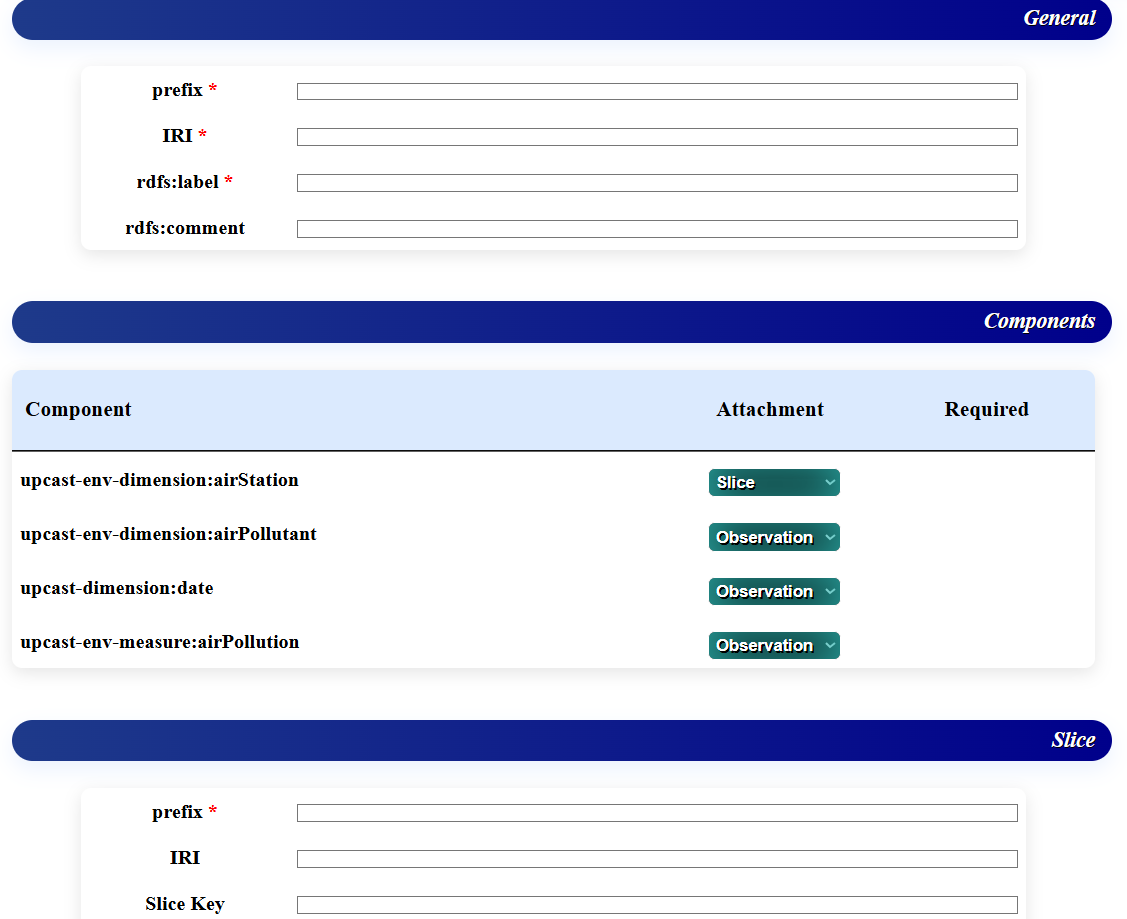
Step 1: Make a Data Structure Definition
Define the structure of the RDF cube by selecting dimensions, measures, and attributes from a data model.
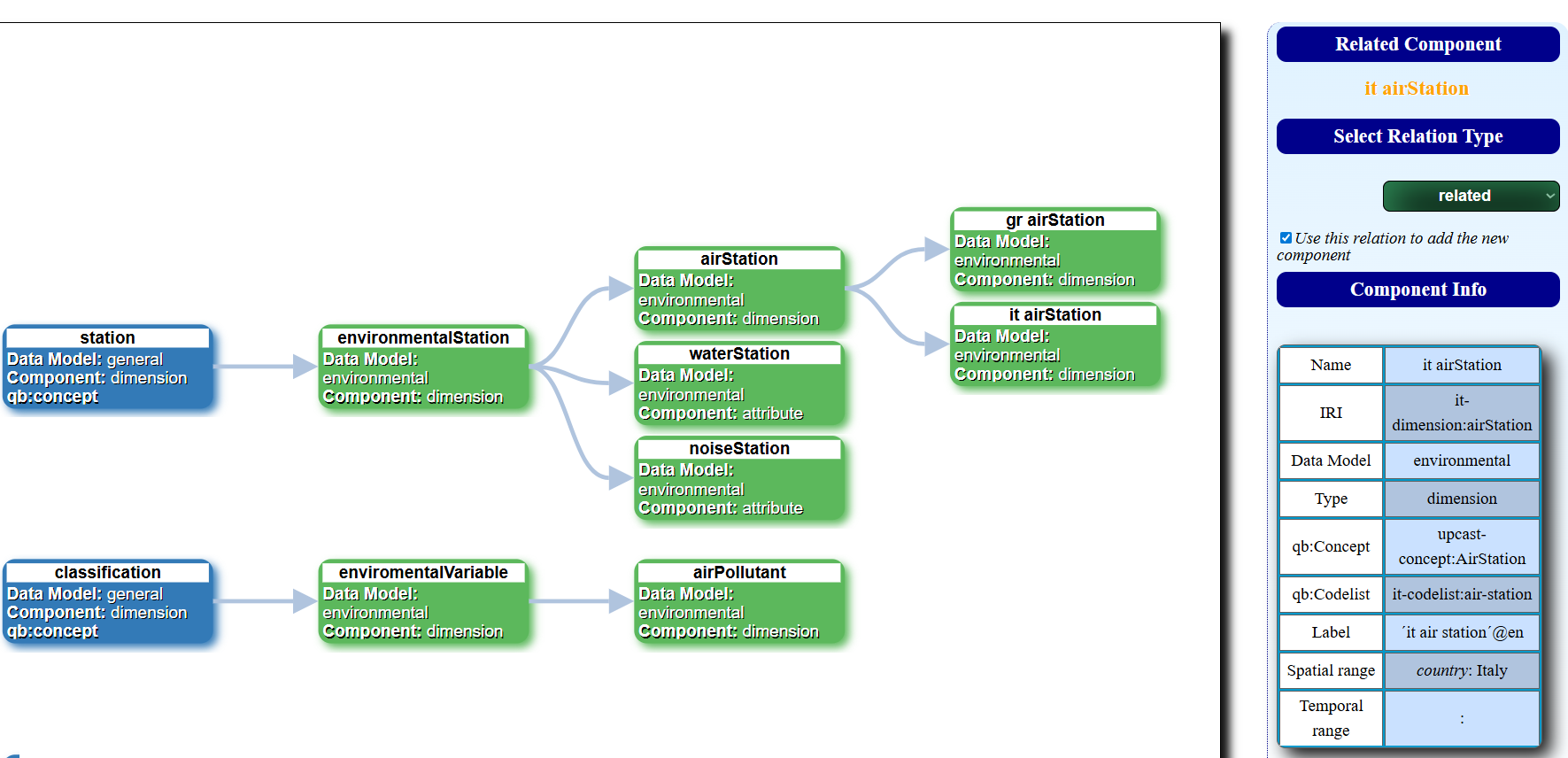
Step 2: Update the Data Model
Basides reusing existing components when possible, you can also define new dimensions, measures, or attributes when the dataset requires more specific modeling. Validate new components and edit the relations between them in the data model hierarchy.
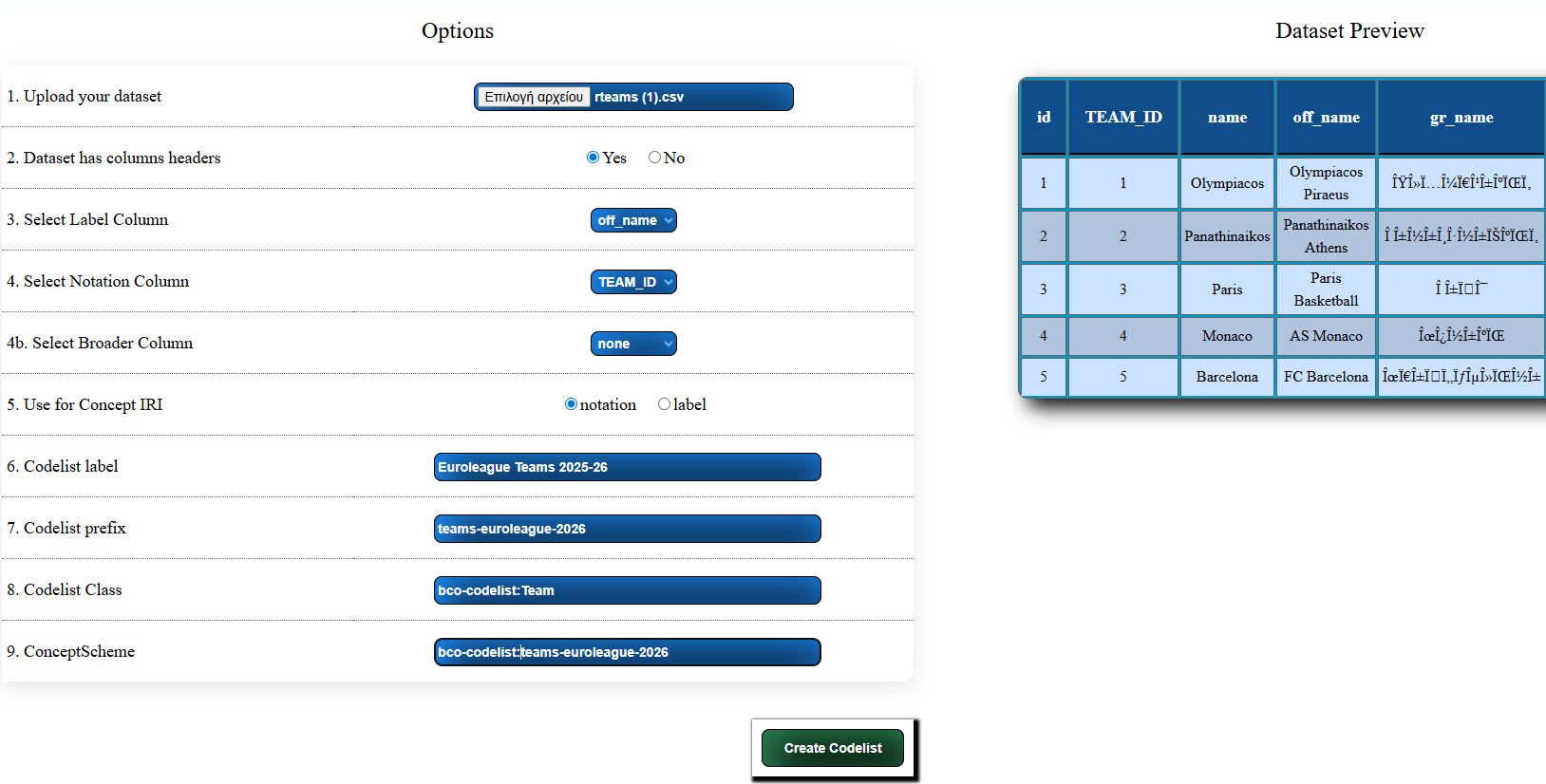
Step 3: Import or create codelists
Connect coded dimensions and attributes to your controlled SKOS codelists, or create new codelists from dataset values.
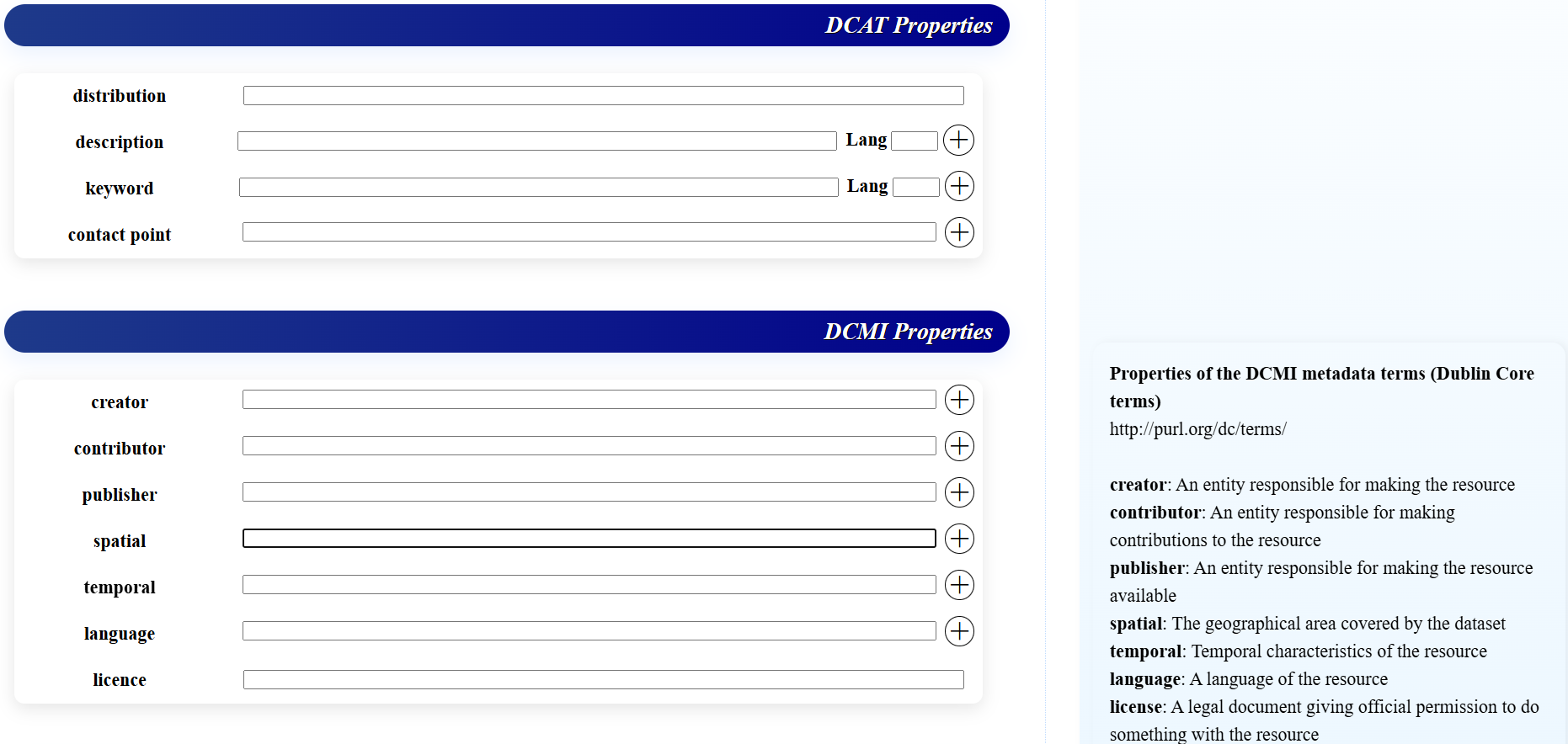
Step 4: Describe the dataset
Add dataset-level metadata, including the dataset IRI, label, relevant DSD, provenance, distribution, version, licence information and more.
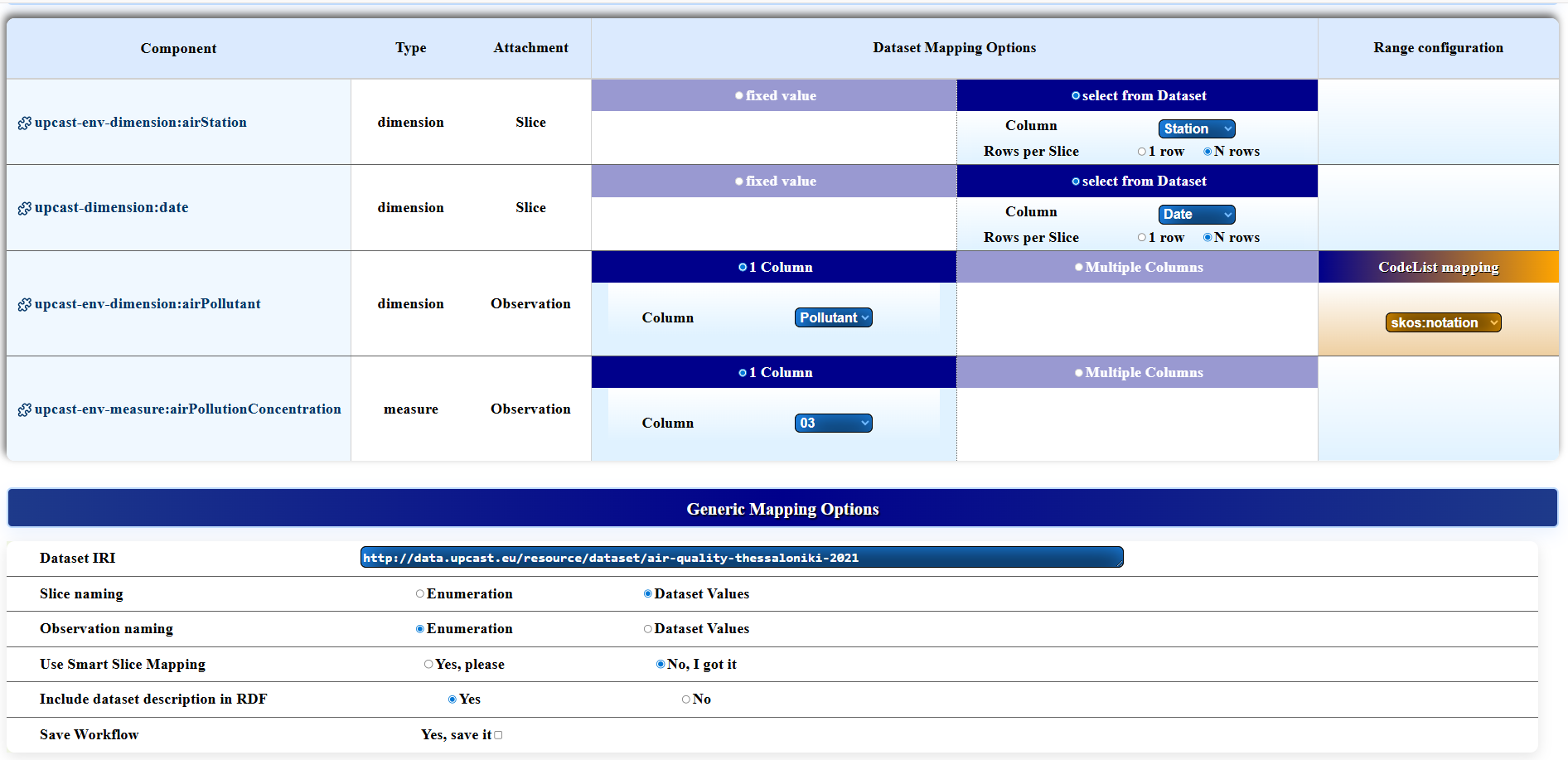
Step 5: RDFize the dataset
Map source columns and fixed values to the selected DSD components. CubeModeler generates RDF/Turtle output, validates it and prepares it for publication.
Step 6: Query and integrate
Upload the generated RDF resources to the knowledge graph and use SPARQL queries to retrieve integrated results across datasets, DSDs, codelists and shared or related components.
Step 1: Make a Data Structure Definition
Define the structure of the RDF cube by selecting dimensions, measures, and attributes from a data model.
Step 2: Update the Data Model
Basides reusing existing components when possible, you can also define new dimensions, measures, or attributes when the dataset requires more specific modeling. Validate new components and edit the relations between them in the data model hierarchy.
Step 3: Import or create codelists
Connect coded dimensions and attributes to your controlled SKOS codelists, or create new codelists from dataset values.
Step 4: Describe the dataset
Add dataset-level metadata, including the dataset IRI, label, relevant DSD, provenance, distribution, version, licence information and more.
Step 5: RDFize the dataset
Map source columns and fixed values to the selected DSD components. CubeModeler generates RDF/Turtle output, validates it and prepares it for publication.
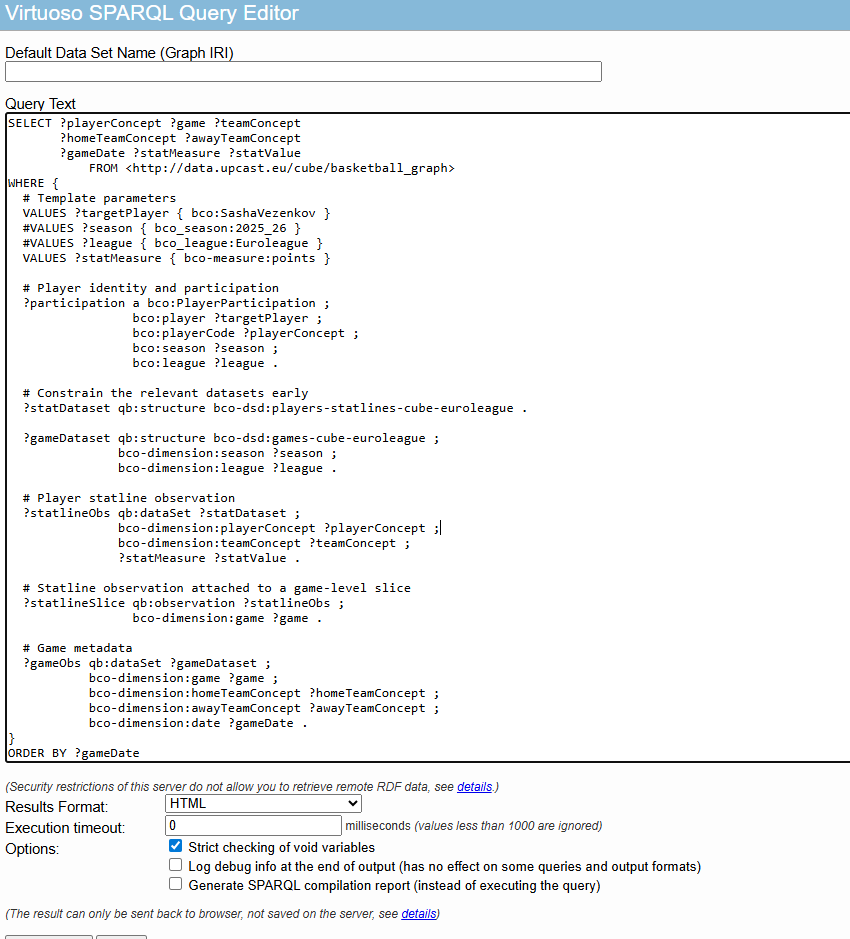
Step 6: Query and integrate
Upload the generated RDF resources to the knowledge graph and use SPARQL queries to retrieve integrated results across datasets, DSDs, codelists and shared or related components.